


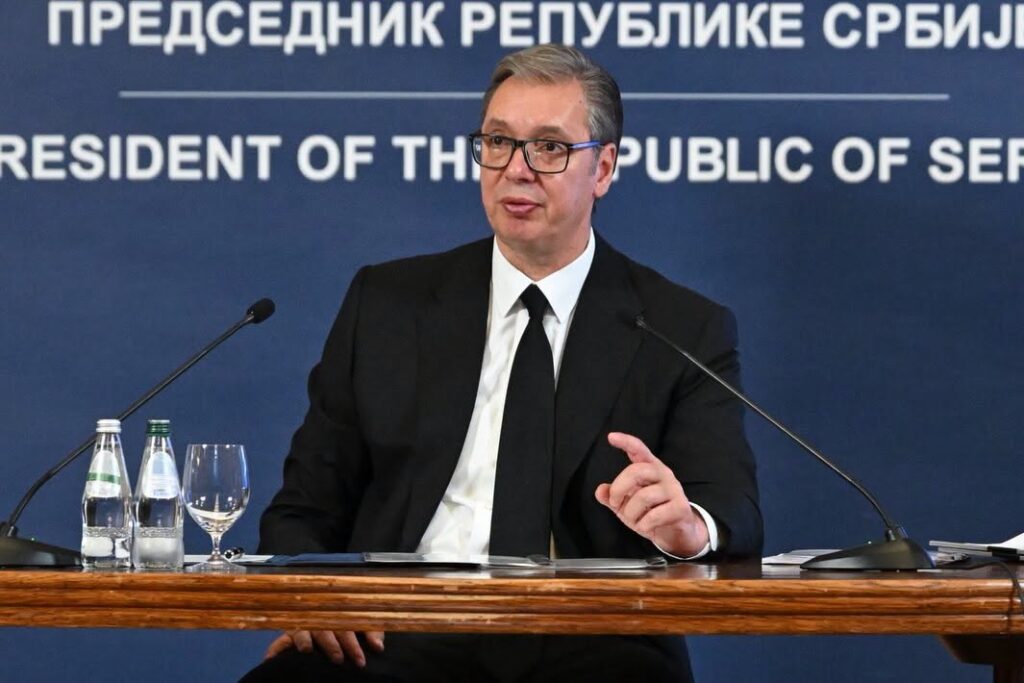
After fourteen years, Aleksandar Vučić was defeated. His political party, Serbian Progressive Party (SNS), won 104 seats while Student List (SL) won 140 seats in the Assembly of Serbia. Until now, minority parties and coalitions won remaining seats in the Assembly: Alliance of Hungarians from Vojvodina 2 seats, Albanian coalition 2 seats, Rasim Ljajić list one seat and SDA Sandžak one seat. All other parties did not turn threshold and remained out of the Assembly seats.
Such results are consequences of ruthless ruling under Vučić regime, as protesters said, culminated after canopy had fallen in Novi Sad in 2024 where 16 people were dead. Canopy fall was trigger for students in the country to take streets and block the country. They launched massive protests against Aleksandar Vučić and his party because of corruption and ruining of the state. Students announced clear requests like stepping out of Aleksandar Vučić and called for snap elections. President of Serbia, Aleksandar Vučić, had resisted students’ request for two years and in 2026 called for snap elections.
Two hours after pooling stations were closed on October 25, Vučić conceded his defeat and lashed out at students. He said citizens will see their real intentions after taking up positions in the government. But one phrase was important in his speech when he said “students will cheer six months no longer” that may imply he is aware of conditions he left to SL.
Why election in Serbia is interesting for Bosnia and Herzegovina?
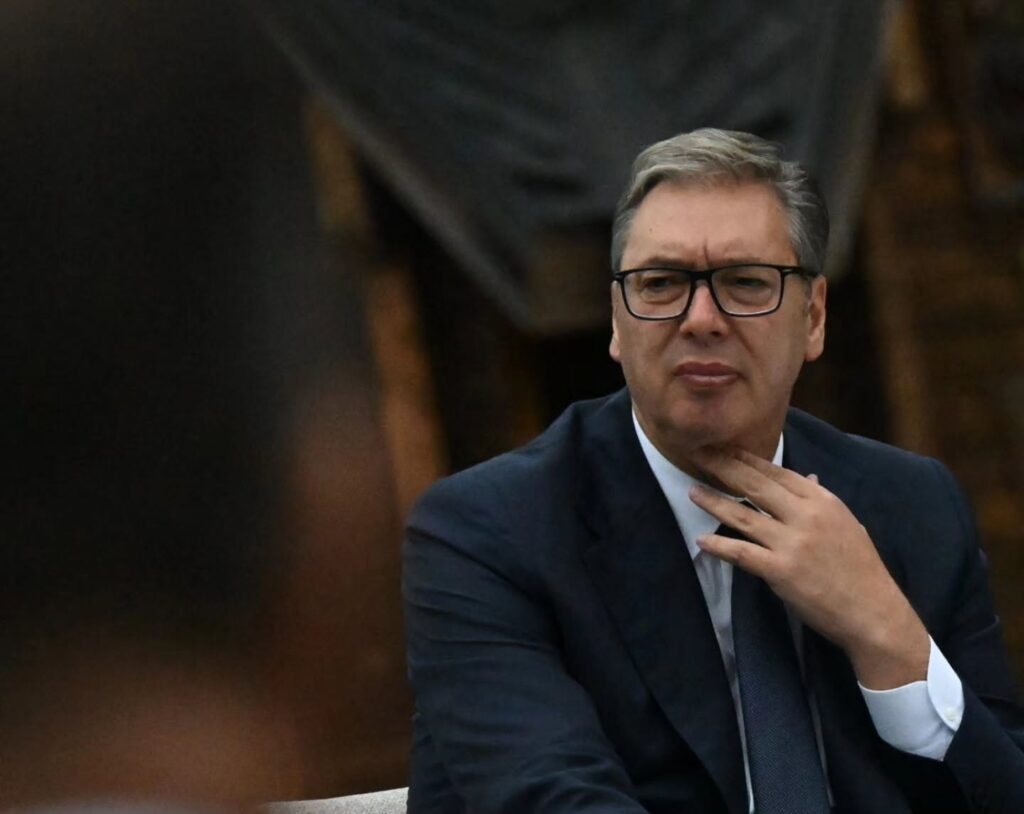
On Election Day in Serbia, Milorad Dodik, leader of Alliance of Independent Social Democrats (SNSD) and Nenad Stevandić, leader of United Srpska (US), were at the headquarter of SNS. This bromance started after Vučić and his SNS had won election in 2012 although Dodik supported then-president of Serbia Boris Tadić. Dodik is skilled politician who seeks partners in Serbia based on interests and act accordingly. Before Election Day, he called Serbs in Republika Srpska (RS), Bosnian administrative unit where Serbs live in majority, to vote for Vučić and his party. On Serbian television he said students do not deserve to represent Serbian people and will have not done it ever. But after SL won majority in the Assembly of Serbia, he changed the side and congratulated them on winning election.
Such developments might be decisive in relations between BiH and Serbia and RS and Serbia. The core issue for BiH is how new government will establish relations with Sarajevo. According to realpolitik it is unexpected that relations between Belgrade and Banja Luka would be severed but the main question will be stances of Belgrade toward Sarajevo and the burden of the past, including genocide in Srebrenica. Statements by leading candidates prof. Radomir Saičić and prof. Ilija Srdanović proved that relations will remain with Banja Luka, but it will be some changes in relations with Sarajevo.
The second impact of election in Serbia might be spilling over atmosphere and protests from Serbia to BiH, particularly in RS. Some footage from Banja Luka schools appeared on social media after SL won showing that something similar may happen in RS. Encouraged by SL win, young people in RS might utilize momentum taking the streets and request resolving the most important living issues for them. In that sense, support to Dodik from various actors would not help him to retain the power in his hand.
Photo by: Facebook/Studenti u blokadi Beograd